
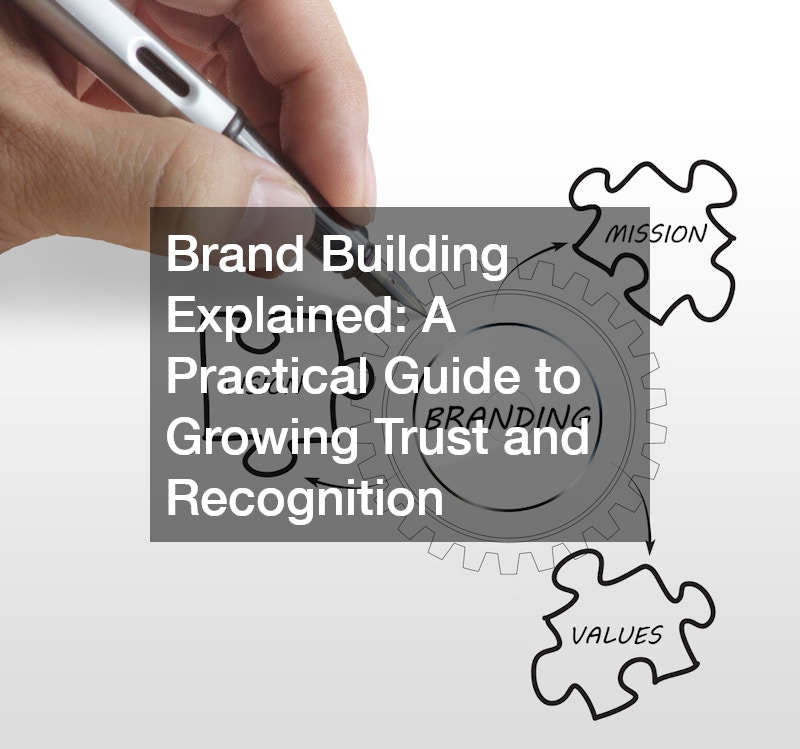
Brand building is the process of shaping how people see, feel, and think about a business. It goes far beyond logos and colors. Strong brand building creates trust, recognition, and emotional connection with customers. In today’s crowded marketplace, businesses that invest in brand building stand out, attract loyal customers, and grow more consistently over time.
What Brand Building Really Means
Brand building is about creating a clear and consistent identity. It defines who you are, what you stand for, and why customers should choose you over competitors.
More Than a Logo
While visual elements matter, brand building is not just design. It includes your message, tone of voice, customer experience, and values. Every interaction a customer has with your business contributes to your brand.
Perception Is Everything
Your brand is how customers perceive you, not just what you say about yourself. Brand building helps guide that perception by delivering consistent experiences across all touchpoints.
Why Brand Building Is Important
Businesses that focus on brand building gain long term advantages that go beyond short term sales.
Builds Trust and Credibility
People are more likely to buy from brands they recognize and trust. Consistent brand building helps establish credibility and reassures customers that they are making a safe choice.
Creates Customer Loyalty
Strong brands create emotional connections. When customers feel aligned with a brand’s values and personality, they are more likely to return and recommend it to others.
Supports Higher Value
Well built brands often command higher prices. Customers are willing to pay more when they believe in the brand and feel confident in its quality.
Core Elements of Brand Building
Successful brand building relies on several key components working together.
Brand Identity
Brand identity includes your logo, colors, typography, and overall visual style. These elements should be consistent and recognizable across all platforms.
Brand Voice and Messaging
Your brand voice is how you communicate. Whether your tone is professional, friendly, bold, or calm, it should remain consistent in marketing, customer service, and content.
Brand Values
Values define what your brand stands for. Customers increasingly support businesses that share their beliefs. Clear values help guide decisions and messaging.
Knowing Your Target Audience
Effective brand building starts with understanding who you are trying to reach.
Identifying Your Ideal Customer
Knowing your audience’s needs, preferences, and pain points helps shape your brand. The clearer your understanding, the more relevant and relatable your brand becomes.
Speaking Their Language
Your messaging should resonate with your audience. Using language and examples they relate to makes your brand feel approachable and authentic.
Consistency Is Key in Brand Building
Consistency builds recognition and trust over time.
Unified Visuals and Messaging
Using the same colors, logos, and tone across all channels helps customers recognize your brand instantly. Inconsistency can confuse audiences and weaken brand impact.
Consistent Customer Experience
Brand building includes how customers are treated. From website navigation to customer support, every experience should reflect your brand values and promise.
Brand Building Through Storytelling
Stories help people connect emotionally with brands.
Sharing Your Brand Story
Your story explains why your business exists and what makes it unique. Authentic storytelling humanizes your brand and helps customers feel connected.
Highlighting Customer Stories
Customer experiences and testimonials strengthen brand credibility. Sharing real stories builds trust and shows the value your brand delivers.
Digital Channels and Brand Building
Online platforms play a major role in modern brand building.
Website and Content
Your website is often the first impression. Clear messaging, consistent visuals, and helpful content reinforce your brand identity and authority.
Social Media Presence
Social media allows brands to interact directly with audiences. Consistent posting, engagement, and tone help strengthen brand awareness and personality.
Email and Communication
Emails, newsletters, and updates should reflect your brand voice. These channels build ongoing relationships and reinforce familiarity.
Brand Building Takes Time
Strong brands are not built overnight.
Long Term Commitment
Brand building requires patience and consistency. Repeated exposure and positive experiences slowly shape customer perception.
Adapting Without Losing Identity
Brands can evolve over time, but core values and identity should remain intact. Adaptation helps brands stay relevant without losing recognition.
Common Brand Building Mistakes
Avoiding common mistakes helps protect brand strength.
Trying to Please Everyone
Brands that try to appeal to everyone often fail to connect with anyone. Clear positioning attracts the right audience.
Inconsistency
Frequent changes in messaging or visuals weaken brand recognition. Consistency creates familiarity and trust.
Ignoring Feedback
Customer feedback provides valuable insight. Listening helps improve brand perception and customer experience.
Measuring Brand Building Success
Brand building success is measured over time, not just through immediate sales.
Brand Awareness
Increased recognition, mentions, and engagement indicate growing brand awareness.
Customer Loyalty
Repeat customers and referrals reflect strong brand relationships.
Reputation and Trust
Positive reviews and word of mouth signal a healthy brand image.
Final Thoughts on Brand Building
Brand building is one of the most valuable investments a business can make. It shapes perception, builds trust, and creates lasting relationships with customers. Strong brand building goes beyond visuals and marketing tactics. It is about delivering consistent value, clear messaging, and meaningful experiences. Businesses that commit to brand building position themselves for long term success, stronger loyalty, and sustainable growth in any market.
About The Author