
Introduction
Owning a home comes with both rewards and responsibilities. While a house provides comfort, security, and a place to build memories, it also requires ongoing care to remain safe, functional, and visually appealing. Over time, weather conditions, daily use, aging materials, and environmental factors can affect every part of a home—from its roof and siding to plumbing systems and landscaping.
Proactive maintenance and timely repairs are essential for protecting your investment. When small problems are addressed early, they are far less likely to develop into expensive structural issues. Routine inspections and professional services help homeowners maintain the integrity of their property while improving comfort, efficiency, and overall quality of life.
Modern homeowners have access to a wide range of specialized service providers who can assist with both preventative maintenance and home upgrades. Whether you’re improving water quality, maintaining outdoor spaces, protecting structural components, or updating outdated systems, the right professionals can ensure that work is completed safely and effectively.
This guide explores essential repair and maintenance services that help homeowners safeguard their properties while enhancing functionality and curb appeal.
Improving Household Water Quality for Health and Efficiency
Clean water is one of the most important elements of a healthy home. While many homes receive treated water from municipal systems or private wells, the quality of that water can still vary due to mineral content, aging infrastructure, or environmental factors. Improving the quality of water used for drinking, cooking, and bathing can benefit both your household and your home’s plumbing systems.
Installing a water filtration system is one of the most effective ways to improve water quality throughout the home. These systems are designed to remove contaminants such as chlorine, sediment, heavy metals, and other impurities that may affect taste, odor, or safety.
Signs Your Home May Need Improved Water Treatment
Homeowners often notice subtle indicators that their water quality could be improved. Some common signs include:
-
A noticeable chlorine smell in tap water
-
Hard water spots on dishes, faucets, or shower doors
-
Dry skin or hair after bathing
-
Discolored water or metallic taste
-
Mineral buildup inside appliances such as kettles and dishwashers
If these issues are present, improving water treatment may help protect both health and plumbing infrastructure.
Types of Filtration Systems for Homes
There are several types of a water filtration system available depending on the specific needs of a household. Some common options include:
-
Whole-house filtration systems that treat water entering the home
-
Reverse osmosis systems designed for drinking water purification
-
Carbon filters that improve taste and remove chlorine
-
Sediment filters that remove sand, rust, and debris
Professional water testing can help determine which solution will be most effective.
Maintaining Water Treatment Equipment
Like any home system, filtration equipment requires regular maintenance to remain effective. Important maintenance tasks include:
-
Replacing filters according to manufacturer guidelines
-
Periodically testing water quality
-
Checking system connections for leaks
-
Cleaning or flushing system components when necessary
Routine maintenance ensures consistent performance and protects the investment in your home’s water quality.
Creating a Beautiful and Durable Lawn
The condition of your yard plays a major role in the overall appearance of your property. A lush, healthy lawn improves curb appeal, enhances outdoor living spaces, and creates a welcoming environment for guests and family members.
One of the fastest ways to establish a vibrant lawn is through professional sod installation. Unlike traditional seeding, sod provides immediate grass coverage and can quickly transform bare or damaged areas into a green landscape.
Preparing Soil for Healthy Grass Growth
Before installing new grass, proper soil preparation is essential. A strong foundation ensures that the new turf develops deep roots and thrives over time.
Key preparation steps often include:
-
Removing existing weeds, rocks, and debris
-
Testing soil pH and nutrient levels
-
Adding compost or soil amendments if necessary
-
Leveling uneven areas to improve drainage
These steps create the optimal environment for successful sod establishment.
Benefits of Installing Sod Instead of Seeding
While both seeding and sod can produce a healthy lawn, sod offers several advantages:
-
Instant green appearance for immediate curb appeal
-
Reduced risk of soil erosion
-
Faster establishment compared to seeded lawns
-
Less vulnerability to weed growth during early stages
These benefits make sod a popular option for homeowners who want quick and reliable results.
Maintaining New Turf for Long-Term Success
After sod installation, proper care is essential during the early growth period. Important care tips include:
-
Watering frequently during the first two weeks
-
Avoiding heavy foot traffic until roots develop
-
Mowing only after grass reaches the recommended height
-
Applying fertilizer according to professional recommendations
With consistent care, a newly installed lawn can become a durable and attractive feature of your property.
Protecting Your Home from Weather Damage
The roof is one of the most important structural components of a home. It shields the interior from rain, snow, wind, and sunlight while helping regulate temperature and energy efficiency. Because the roof constantly faces environmental exposure, regular inspections and maintenance are essential.
Working with a professional roofing contractor ensures that small issues are identified early before they become costly repairs.
Warning Signs That a Roof Needs Attention
Homeowners should watch for indicators that their roof may be deteriorating. Some common warning signs include:
-
Missing, cracked, or curling shingles
-
Water stains on ceilings or walls
-
Granules from shingles collecting in gutters
-
Sagging areas or soft spots on the roof surface
-
Visible cracks around flashing or vents
If any of these problems are present, scheduling a professional inspection is highly recommended.
Benefits of Routine Roof Inspections
Preventive inspections help extend the lifespan of roofing materials and reduce the risk of structural damage. Routine inspections with a roofing contractor typically include:
-
Checking for damaged or missing shingles
-
Evaluating flashing around chimneys and vents
-
Inspecting attic ventilation and insulation
-
Identifying signs of moisture intrusion
Regular evaluations help detect minor issues before they lead to significant repairs.
Simple Maintenance Tips for Homeowners
While major repairs should be handled by professionals, homeowners can also perform basic maintenance tasks such as:
-
Removing debris from the roof surface
-
Trimming tree branches that hang over the roof
-
Checking gutters for proper drainage
-
Inspecting the attic for signs of leaks or moisture
These steps help maintain roof performance and prevent unnecessary damage.
Addressing Moisture Problems Inside the Home
Excess moisture inside a home can lead to serious issues including structural damage, poor indoor air quality, and potential health risks. Mold growth often occurs when moisture accumulates in hidden areas such as basements, crawl spaces, and poorly ventilated bathrooms.
When mold is discovered, a professional mold remediation service can safely remove contamination and address the underlying cause.
Common Sources of Indoor Moisture
Several conditions can contribute to excess moisture within a home. These may include:
-
Leaking plumbing or appliances
-
Roof leaks allowing water infiltration
-
Poor ventilation in bathrooms or kitchens
-
High humidity levels in basements or crawl spaces
-
Flooding or previous water damage
Identifying the source of moisture is the first step toward resolving the problem.
The Mold Removal Process
Professional mold remediation service typically involves a structured process designed to eliminate mold safely and prevent future growth.
This process often includes:
-
Identifying affected areas through inspection and testing
-
Containing the contaminated space to prevent spread
-
Removing damaged materials such as drywall or insulation
-
Cleaning surfaces using specialized equipment
-
Improving ventilation or moisture control systems
These steps restore healthy indoor conditions and protect the home from further damage.
Preventing Mold Growth in the Future
Preventive measures can significantly reduce the risk of mold returning. Homeowners should consider:
-
Maintaining indoor humidity below recommended levels
-
Repairing leaks promptly
-
Using ventilation fans in bathrooms and kitchens
-
Installing dehumidifiers in damp spaces
Consistent moisture control helps maintain a healthy indoor environment.
Maintaining a Safe and Functional Garage Entry
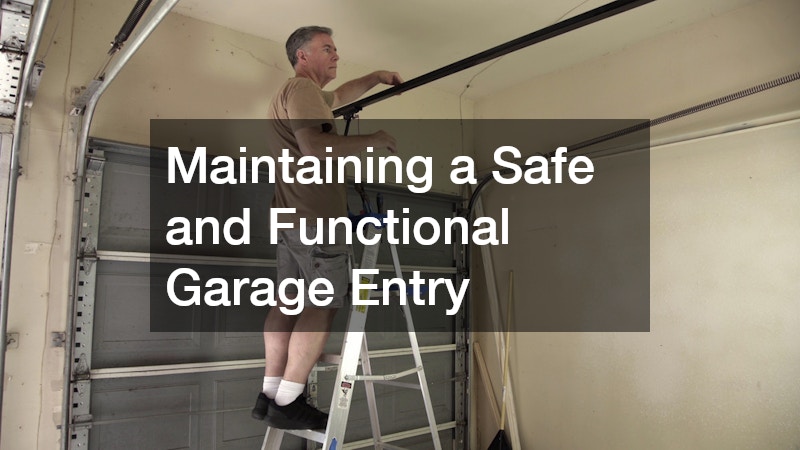
Garage doors are among the most frequently used features in many homes. Because they involve heavy moving parts and automated systems, they require regular maintenance to operate safely and reliably.
Scheduling routine garage door service can prevent unexpected malfunctions and extend the lifespan of the system.
Components That Require Routine Inspection
Garage door systems contain several parts that experience wear over time. Regular inspections often focus on:
-
Torsion and extension springs
-
Rollers and tracks
-
Hinges and mounting brackets
-
Door panels and weather seals
-
Electronic sensors and openers
Ensuring these components are functioning properly reduces the risk of sudden failures.
Signs Your Garage Door Needs Professional Attention
Homeowners should schedule service if they notice any of the following issues:
-
Unusual grinding or squeaking sounds
-
Uneven movement during opening or closing
-
Delayed response from remote controls
-
The door reversing unexpectedly
-
Visible damage to tracks or panels
Prompt repairs can prevent more expensive replacements later.
Simple Maintenance Tasks for Homeowners
Some basic tasks can help keep garage doors functioning smoothly between professional inspections:
-
Lubricating moving parts periodically
-
Keeping tracks clean and free of debris
-
Testing safety sensors regularly
-
Checking weather seals for wear
Regular attention helps ensure safe operation and extends system longevity.
Managing Rainwater to Protect Your Foundation
Proper water drainage is essential for protecting your home’s structural integrity. Rainwater that collects near the foundation can cause soil erosion, basement flooding, and long-term damage.
Professional gutter installation helps direct water away from the home, preventing moisture from accumulating around the foundation.
Signs Your Drainage System Needs Improvement
Several warning signs may indicate that your current drainage system is not working effectively:
-
Water spilling over gutter edges during storms
-
Sagging or detached gutter sections
-
Soil erosion near the foundation
-
Water pooling near exterior walls
-
Rust or cracks in existing gutters
Addressing these issues early helps prevent costly structural damage.
Choosing the Right Gutter System
Modern gutter systems come in a variety of materials and designs. Homeowners often choose from options such as:
-
Aluminum gutters for affordability and durability
-
Copper gutters for long-term performance and aesthetic appeal
-
Seamless gutter systems that reduce leak points
-
Gutter guards that minimize debris accumulation
Professional installation ensures proper alignment and water flow.
Maintaining Gutters Year-Round
Regular maintenance keeps drainage systems working effectively. Important tasks include:
-
Cleaning gutters at least twice per year
-
Removing leaves and debris after storms
-
Inspecting downspouts for blockages
-
Ensuring water drains away from the home
Routine maintenance protects both the home and surrounding landscaping.
Maintaining Indoor Comfort and Energy Efficiency

Heating and cooling systems are essential for maintaining comfortable indoor temperatures throughout the year. When these systems operate efficiently, they also help reduce energy consumption and lower utility costs.
Working with an experienced HVAC contractor ensures that heating and cooling systems receive proper maintenance and operate at peak efficiency.
Benefits of Routine System Maintenance
Regular maintenance visits provide several advantages:
-
Improved system performance
-
Lower energy consumption
-
Reduced risk of breakdowns
-
Longer equipment lifespan
-
Better indoor air quality
Professional inspections with an HVAC contractor often identify small issues before they escalate into expensive repairs.
Steps Homeowners Can Take to Improve Efficiency
In addition to professional service, homeowners can improve efficiency by:
-
Replacing air filters regularly
-
Sealing air leaks around windows and doors
-
Installing programmable thermostats
-
Improving insulation in attics and walls
These steps help maintain consistent indoor comfort while reducing energy costs.
Protecting Your Home’s Exterior Walls
Exterior wall materials serve as a protective barrier against weather, moisture, and pests. When siding becomes damaged or worn, it can allow water intrusion and reduce insulation efficiency.
Professional siding repair restores both the appearance and protective function of exterior walls.
Signs Exterior Panels May Be Damaged
Homeowners should monitor their siding for signs of deterioration such as:
-
Cracks or warping
-
Loose or missing panels
-
Peeling paint or discoloration
-
Mold or mildew growth
-
Increased indoor energy costs
Addressing damage early prevents moisture from reaching the underlying structure.
Benefits of Repairing Damaged Exterior Surfaces
Timely repairs can provide several advantages:
-
Improved insulation and energy efficiency
-
Enhanced curb appeal
-
Reduced risk of water damage
-
Protection of underlying framing materials
Professional repairs ensure proper sealing and long-lasting results.
Preventing Pest Infestations
Unwanted pests can cause damage to homes while also posing health risks to occupants. Rodents, insects, and other pests often enter homes in search of food, water, and shelter.
A professional pest control company can identify potential entry points and implement strategies to eliminate infestations.
Common Areas Where Pests Enter Homes
Pests often access homes through small openings or hidden spaces such as:
-
Cracks in foundations or walls
-
Gaps around windows and doors
-
Attic vents or roof openings
-
Crawl spaces and basements
Sealing these entry points helps prevent infestations.
Preventive Measures for Homeowners
Homeowners can reduce pest activity by:
-
Keeping food stored in sealed containers
-
Maintaining clean kitchen areas
-
Removing standing water around the property
-
Trimming vegetation away from exterior walls
Preventive steps help reduce the need for extensive pest treatments.
Planning Strategic Home Upgrades

Over time, homeowners may wish to update certain areas of their home to improve comfort, functionality, or aesthetics. Major upgrades often require professional planning and construction expertise.
Working with a reputable remodeling company allows homeowners to transform outdated spaces into modern living environments.
Popular Renovation Projects
Common home improvement projects include:
-
Kitchen upgrades with improved layouts
-
Bathroom renovations for modern functionality
-
Basement finishing to create additional living space
-
Home office conversions
-
Open-concept floor plans
These projects can significantly increase both comfort and property value.
Tips for Successful Renovations
Homeowners planning major upgrades should:
-
Establish clear goals and priorities
-
Create a realistic budget
-
Research materials and design options
-
Hire experienced professionals
Careful planning ensures that renovations are completed efficiently and deliver long-term benefits.
Conclusion
Protecting and improving a home requires a balanced approach that includes regular maintenance, timely repairs, and strategic upgrades. Each component of a home—from its structural systems to landscaping and interior features—plays an important role in maintaining safety, efficiency, and comfort.
By addressing maintenance tasks early and working with experienced professionals, homeowners can prevent small issues from becoming major problems. Routine inspections, preventive care, and thoughtful improvements help extend the lifespan of home systems while preserving the value of the property.
A proactive approach to home maintenance not only protects your investment but also creates a more comfortable and enjoyable living environment. With the right combination of professional services and regular upkeep, homeowners can ensure their properties remain durable, attractive, and functional for many years to come.